
Мировая индустрия бетонных блоков ускоряет переход к автоматизации и низкоуглеродным решениям на фоне строительного бума на развивающихся рынках.
3 сентября 2026 г. — Всемирная конференция производство бетонных блоков и тротуарной плитки Этот сектор переживает масштабные преобразования, поскольку стремительный рост инвестиций в инфраструктуру в Африке, Юго-Восточной Азии и на Ближнем Востоке сталкивается с растущим глобальным давлением, направленным на сокращение выбросов углекислого газа в промышленности и замену устаревшего, трудоемкого производственного оборудования. Аналитики рынка сообщают о растущем расхождении между стагнирующим спросом на основные полые блоки а также быстро растущий объем заказов на высококачественные, экологически чистые строительные материалы, что меняет инвестиционные решения для новых заводов по производству блоков по всему миру.
Мировая рыночная стоимость строительных блоков из бетона продолжает расти. Согласно прогнозам отрасли, к концу 2026 года объем рынка бетонных блоков в целом превысит 165 миллиардов долларов США, демонстрируя стабильный среднегодовой темп роста выше 4,5%, при этом сегмент тротуарной плитки будет расти еще быстрее, примерно на 6–7% в год, чему способствуют благоустройство городов, политика управления ливневыми водами и проекты строительства долговечных дорог. В то время как на развитых рынках Европы и Северной Америки приоритет отдается модернизации существующих заводов для соответствия более строгим нормам выбросов, развивающиеся экономики строят совершенно новые мощности по производству блоков, чтобы удовлетворить потребности национальных программ доступного жилья и крупномасштабных общественных работ.
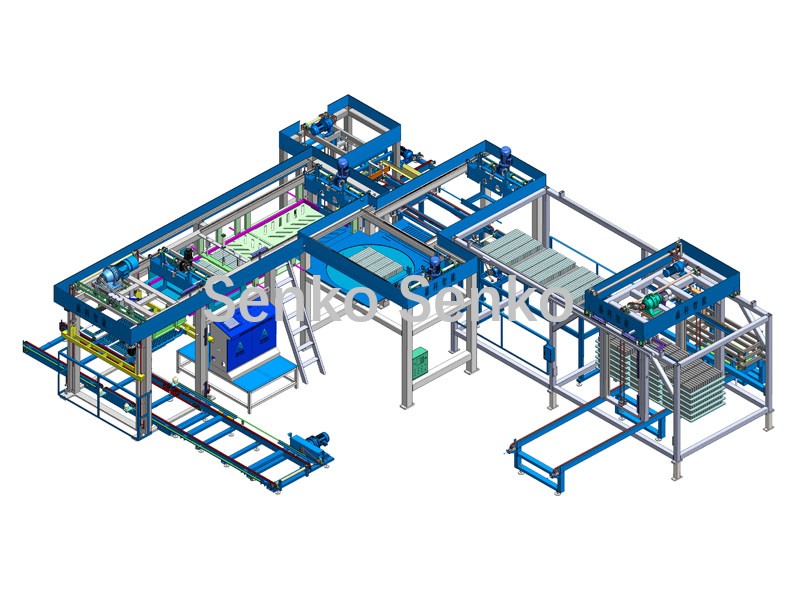
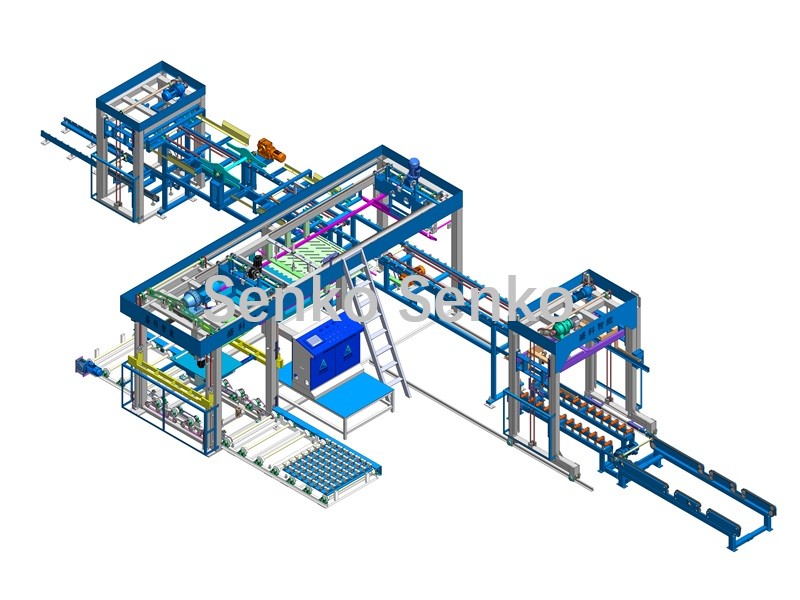
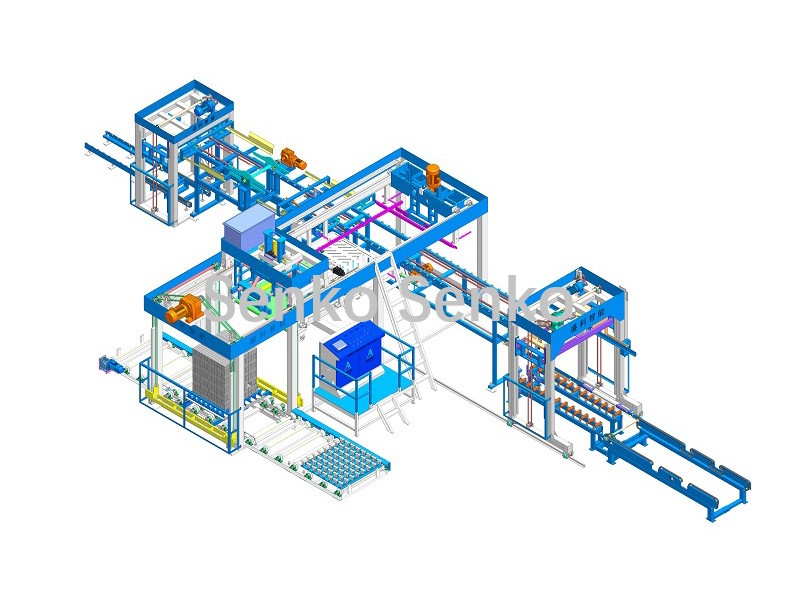
Одним из наиболее заметных мегатрендов отрасли в 2026 году является стремительное внедрение полностью автоматических и виброгидравлических линий по производству блоков, постепенно вытесняющих более старые полуавтоматические и гравитационные машины, которые когда-то доминировали на рынках развивающихся стран.
«Пять лет назад большинство новых покупателей в Африке и Юго-Восточной Азии выбирали недорогое полуавтоматическое оборудование, чтобы ограничить первоначальные затраты. Сегодня многие владельцы проектов проводят расчеты общей стоимости владения (TCO) перед покупкой и понимают, что автоматизация значительно сокращает долгосрочные затраты», — пояснил старший консультант машиностроительной отрасли. Современные автоматические системы с сервоуправлением обеспечивают более высокую точность размеров, более низкий процент брака, значительно меньший объем ручного труда и регулируемые профили вибрации, подходящие для различных местных сырьевых материалов, от речного песка до отходов карьера и переработанного щебня. В регионах с высокими затратами на рабочую силу автоматизированные заводы могут сократить затраты на рабочую силу на единицу продукции более чем на 60 процентов, одновременно снизив процент брака с более чем четырех процентов до менее одного процента.
Концепция устойчивого развития перестала быть просто маркетинговым лозунгом и превратилась в жесткое нормативное и коммерческое требование. Более 40 стран уже опубликовали официальные стандарты для строительных материалов, изготовленных с использованием переработанных заполнителей, а руководящие принципы государственных закупок ЕС вскоре потребуют минимальной доли переработанных материалов в строительных проектах, финансируемых государством. Производители блочной продукции спешат адаптировать свои бетоносмесительные установки и блочные машины. Для переработки строительных и демонтажных отходов, золы, шлака и других промышленных побочных продуктов, с целью снижения потребления цемента и уменьшения углеродного следа каждого блока. Проницаемые тротуарные плиты, которые помогают снизить риск городских наводнений, позволяя дождевой воде проникать внутрь, превратились в быстрорастущую нишу, и муниципальные власти все чаще указывают проницаемое покрытие для новых площадей, парковок и тротуаров.
Региональные модели спроса демонстрируют существенные различия.
В Юго-Восточной Азии, включая Индонезию, Вьетнам и Филиппины, наблюдается стабильный приток импорта сборных заводов по производству блоков, чему способствуют быстрое строительство пригородного жилья и модернизация государственной инфраструктуры. Ближний Восток продолжает заказывать высокопроизводительные производственные линии для таких мегапроектов, как проекты развития Саудовской Аравии в рамках программы «Видение 2030», где важны стабильное качество продукции и возможность быстрого переключения между различными типами линий. Пустотелые блоки, бордюрные камни и цветная тротуарная плитка Это первоочередные задачи. В странах Африки к югу от Сахары рынок разделен: небольшие мастерские по-прежнему используют простые ручные или полуавтоматические установки, но средние предприниматели и государственные застройщики все чаще инвестируют в полностью автоматизированные заводы среднего уровня, способные снабжать целые города и дорожные сети.
Китайские экспортеры оборудования для производства блоков остаются ключевыми фигурами в этом глобальном изменении структуры поставок. За последние двенадцать месяцев объемы поставок комплектных автоматизированных линий по производству блоков из Китая в страны с развивающейся экономикой выросли на двузначное число процентов. Производители оригинального оборудования больше не ограничиваются продажей стандартной техники: многие из них теперь поставляют изготовленные на заказ пресс-формы для тротуарной плитки. системы смешивания цветов для лицацифровые платформы удаленного мониторинга и пакеты запасных частей для послепродажного обслуживания, разработанные с учетом условий удаленной эксплуатации, где местные ресурсы для технического обслуживания ограничены.
Проблемы сохраняются на протяжении всей цепочки создания стоимости. Нестабильные цены на цемент и энергоносители снижают рентабельность производителей блоков по всему миру. Во многих странах с низким уровнем дохода нестабильное электроснабжение угрожает надежности сложных автоматизированных заводов. Квалифицированные специалисты, имеющие право устанавливать, калибровать и обслуживать современные виброгидравлические машины для производства блоков, по-прежнему в дефиците, что создает новый спрос на обучение и услуги технической поддержки со стороны поставщиков оборудования. Задержки в цепочке поставок износостойкой формовочной стали также иногда увеличивают сроки выполнения индивидуальных заказов.
В преддверии конца 2026 и 2027 годов эксперты отрасли выделяют три области, которые, как ожидается, продемонстрируют наиболее сильный рост: интеллектуальные линии по производству блоков, оснащенные датчиками контроля качества в режиме реального времени, производственные системы, оптимизированные для сырья с высоким содержанием переработанного заполнителя, и модульные, быстро монтируемые заводы по производству блоков, которые могут начать производство в течение нескольких недель после прибытия на новую площадку.
«В сфере производства блоков речь уже не идет только о выпуске как можно большего количества изделий. Покупатели хотят оборудование, которое производит нужную продукцию, надежно работает с местными материалами, соответствует постоянно меняющимся экологическим нормам и обеспечивает предсказуемую окупаемость инвестиций в течение десяти или пятнадцати лет», — прокомментировал один из производителей оборудования. «Компании, которые конкурируют только по самой низкой цене оборудования, потеряют долю рынка в пользу поставщиков, способных предложить комплексные, ориентированные на конкретные задачи решения».
По мере того как урбанизация неуклонно набирает обороты в странах Глобального Юга, глобальный сектор производства бетонных блоков, похоже, готов к многолетним структурным изменениям, при этом автоматизация и экологически чистые методы обработки материалов определят, какие заводы — и какие марки оборудования — будут лидировать на рынке к концу десятилетия.
Продажи : No.33,Jinhe Avenue,Binjiang Development Zone, Daxiamei Area,Nanan County,Quanzhou City, Fujian,China
Позвоните нам сейчас : +8615559090996
Электронная почта : senko@fjsenko.com